In the vast world of entertainment, popular manga series have carved out a unique and enduring niche that transcends cultural borders. These series, with their compelling stories, captivating art, and rich character development, have created loyal fanbases across the globe. As the popularity of manga surges worldwide, understanding what makes these series so special becomes both a fascinating and essential endeavor for fans, creators, and industry experts alike. Whether you're a seasoned manga reader or a curious newcomer, exploring the essence of what makes a manga beloved can deepen your appreciation for this vibrant art form.
The Enduring Appeal of Popular Manga Series
What is it about certain manga titles that withstand the test of time and technological change, maintaining their relevance and popularity for decades? The answer lies in a combination of relatable characters, innovative storytelling, and cultural resonance. Popular manga series often tap into universal themes like friendship, perseverance, morality, and adventure, which resonate deeply with audiences regardless of background. Additionally, these stories frequently reflect societal issues, hopes, fears, and aspirations, making them all the more meaningful and relatable.
Furthermore, the serial nature of manga publications allows for the gradual development of complex worlds and layered characters, inviting readers into immersive journeys. This sustained engagement fosters emotional investment, turning casual readers into dedicated fans. The collective experience of following a story chapter-by-chapter over months or years creates a sense of community, especially when fans share theories, fan art, and discussions. This symbiotic relationship between manga creators and their audience is a pillar that sustains the popularity of these series over generations.
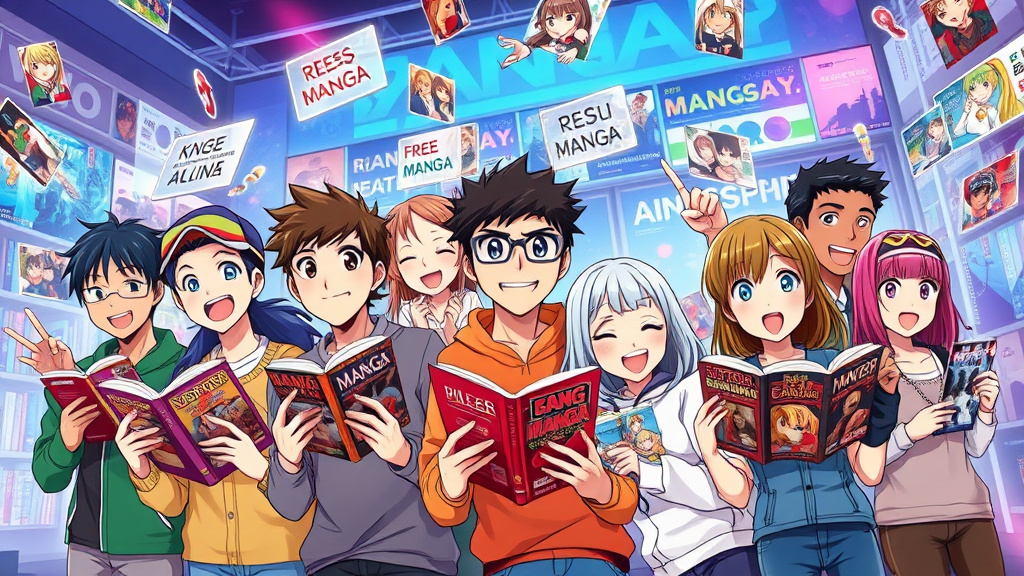
 Hình minh họa: legal manga – popular manga series
Analyzing the Key Elements of Successful Manga
Successful manga series share distinctive elements that set them apart from the rest. First and foremost is a compelling narrative that hooks the reader from the first chapter and maintains tension throughout. Many of the popular manga series feature a unique premise, whether it's a dystopian future, a fantastical universe, or an innovative take on traditional themes like sports or school life. These intriguing hooks continuously draw readers back, eager to discover what happens next.
Another vital component is character development. Fans connect with protagonists who exhibit growth, flaws, and relatable struggles. Dynamic characters evoke empathy and make the story’s emotional highs and lows more impactful. The pacing and panel layout also play a crucial role, guiding readers smoothly through action scenes or dramatic revelations. Successful manga often combines crisp, expressive artwork with storytelling techniques that heighten suspense and evoke visceral reactions. When these elements synergize, they create a memorable experience that cements a manga's status as a beloved series.

A Deep Dive into the Art and Storytelling of Top Manga
The artistry in top manga is more than just visually appealing; it’s an essential storytelling tool. The distinct art styles—from the sleek lines of "Death Note" to the energetic action panels of "Dragon Ball"—complement the tone and mood of each story. Skilled mangaka use visual cues to evoke emotion, convey movement, and emphasize important plot points. For example, exaggerated facial expressions or unique character designs make interactions more expressive, allowing readers to instantly grasp emotional contexts.
Storytelling in top manga often involves meticulous world-building and layered narratives. Creators craft expansive universes with detailed rules, histories, and cultures, which serve as a fertile ground for storytelling. Artistic layouts, panel compositions, and color schemes (in colored editions) further enhance storytelling by controlling pacing and focus. This visual synergy with narrative depth creates an immersive experience that invites readers into worlds they want to revisit repeatedly, explaining why such manga resonate so profoundly across diverse audiences.
Exploring the Global Phenomenon of Popular Manga
The rise of digital platforms and international translation efforts have transformed manga into a global phenomenon. No longer confined to Japan, popular manga series now enjoy extensive readerships worldwide, often with enthusiastic fan communities on social media. This expansion is fueled by the accessibility of manga via online scanlations, official translations, and digital manga services, which remove language barriers and bring these stories to new audiences.
Cultural exchange through manga also fosters mutual understanding and appreciation. Many fans abroad learn about Japanese customs, language, and societal values through manga, fueling intercultural dialogue. Moreover, adaptations such as anime, movies, and merchandise amplify a manga’s reach, turning stories into multi-media franchises that influence international pop culture. This global spread not only sustains the popularity of existing manga but also inspires international creators to contribute their own stories, enriching the industry with diverse voices.
From Page to Screen - The Adaptation of Beloved Manga
Adapting manga into anime, live-action films, or series is a complex process that can significantly boost a manga's popularity — or sometimes challenge its legacy. The transition from page to screen involves translating static images into motion, which requires careful planning and artistic vision. When done successfully, adaptations can amplify the story’s emotional impact, introducing it to fans worldwide who might prefer animated or cinematic experiences.
However, adaptations often face criticism for deviations from the original source or pacing issues. Yet, these adaptations create another layer of engagement, fostering renewed interest in the manga’s source material. Many iconic series like "Fullmetal Alchemist" and "Attack on Titan" achieved international fame through their anime versions, which helped propel manga sales and expand their fanbase. Adaptations serve as a bridge, amplifying the original manga's cultural footprint and demonstrating its enduring relevance in an increasingly multimedia-driven entertainment industry.
The Impact of Popular Manga on Anime and Pop Culture
The influence of popular manga series extends beyond paper pages—they significantly shape broader pop culture and the anime industry. Successful manga acts as a blueprint for anime productions, which, in turn, inspire fashion, music, gaming, and even fashion trends. Characters from manga become icons, and catchphrases or visual motifs from manga often permeate daily life, especially among devoted fans.
Furthermore, manga's influence on storytelling techniques—such as nonlinear narratives, character archetypes, or visual storytelling—can be seen across diverse entertainment media. Cultural milestones like "Naruto" or "One Piece" have transcended their original medium, impacting storytelling conventions and inspiring countless creators around the world. These series, with their themes of friendship, perseverance, and adventure, shape societal values and contribute to a shared cultural vocabulary among fans of all ages.
Character Development and World-Building in Chart-Topping Manga
One defining feature of the most popular manga series is their masterful character development and world-building. A compelling protagonist with depth and nuance allows readers to see themselves in the story, fostering loyalty and emotional investment. These characters are often flawed but resilient, evolving as the story progresses, making their journeys both inspiring and relatable.
In addition, comprehensive world-building creates immersive settings that sustain reader interest over long series. From the intricacies of a magical realm to the societal structures of a dystopian future, detailed environments serve as living backdrops for character interactions and plot development. This meticulous craftsmanship encourages fans to explore theories, fan fiction, and artwork, further deepening their engagement with the series. Ultimately, seamless integration of character arcs within rich worlds is what elevates a manga to iconic status.
A Look at the Diverse Genres Dominating the Manga Landscape
The manga industry is remarkably diverse, encompassing genres tailored to all tastes and age groups. While shonen manga, aimed at young boys, dominates the international scene with high-energy action and adventure, there is an equally vibrant world of shojo, seinen, josei, and niche genres. Each genre offers distinct storytelling styles and themes—romance, horror, psychological thriller, slice of life—that attract different demographics.
This genre diversity allows for a broad spectrum of storytelling that pushes creative boundaries. For example, seinen manga often explores complex themes like existentialism and societal critique, while shojo might focus on romantic relationships and personal growth. The variety ensures that manga continues to evolve and resonate with new generations, maintaining its relevance and appeal across age groups and cultural contexts, thus reinforcing its status as a versatile and powerful storytelling medium.
Behind the Scenes - The Creators and Studios Behind Popular Manga Series
Behind every popular manga series are talented creators and dedicated studios that craft these immersive worlds. The mangaka (manga artists and storytellers) often work under intense deadlines, with their unique styles and storytelling voices shaping the series’ identity. Understanding the creative process reveals how much passion, skill, and resilience go into producing manga that captivates millions.
Moreover, studios like Toei Animation, Madhouse, and Bones play pivotal roles in adapting manga into anime, often extending the manga’s universe further. Collaboration between mangaka and animation studios can be a delicate balance, requiring mutual understanding and vision. Recognizing the effort of these creators and studios underscores the collaborative artistry behind manga’s visual and narrative success, emphasizing that their work is a collective endeavor deserving of appreciation and respect.
The Future of Manga - Trends and Innovations in the Industry
The future of manga promises exciting innovations that will shape its development in the coming decades. As digital technology advances, interactive manga, augmented reality, and virtual reality experiences are becoming more feasible, offering new ways for fans to engage with stories beyond traditional pages. These innovations could revolutionize how manga is created, distributed, and experienced.
In addition, industry trends indicate a growing influx of international creators who bring diverse perspectives, enriching the manga landscape with hybrid styles and global themes. Webtoon formats and serialization via online platforms continue to democratize creation, allowing budding artists to reach audiences directly. This convergence of technology and globalization suggests that popular manga series will evolve in ways that blend traditional craftsmanship with cutting-edge innovation, ensuring its vibrant future while retaining its core storytelling essence.
Conclusion
The widespread appeal of popular manga series lies in their ability to combine compelling storytelling, stunning art, and relatable characters within immersive worlds that resonate on a universal level. These series are sustained by dedicated creators, innovative industry practices, and a passionate global fanbase, fueling their evolution and impact across pop culture and media. As technology continues to open new avenues for storytelling, and diverse voices enrich the industry, manga’s future remains bright—promising even more captivating stories that will continue to inspire, entertain, and unite readers worldwide.